

Your Guide to Senior Home Safety & Aging in Place
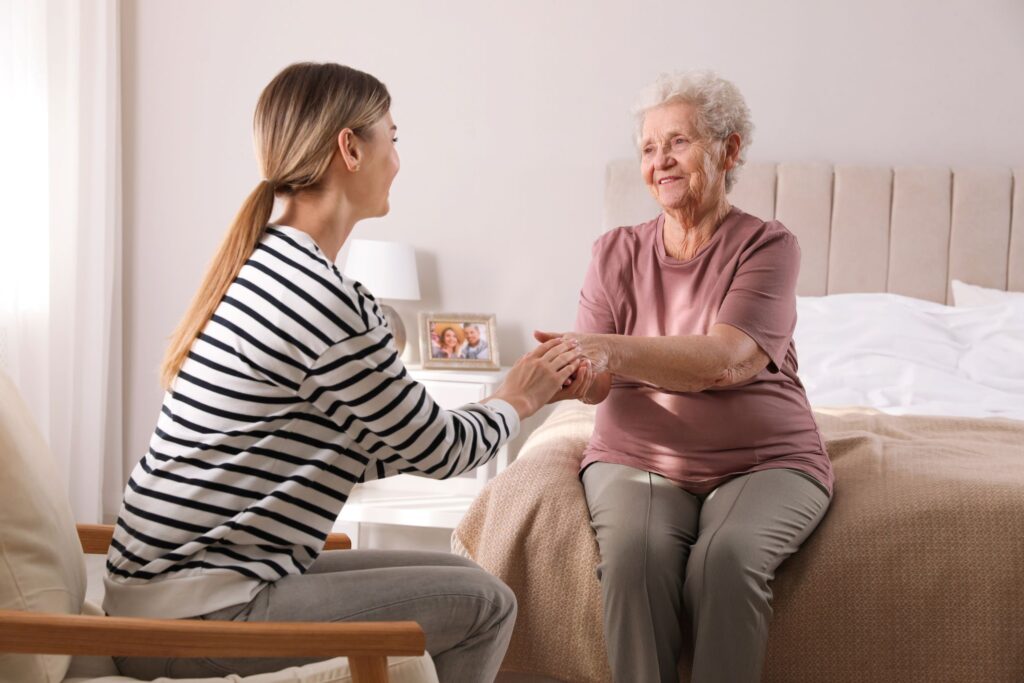
For many older adults, staying at home as long as safely possible is the top priority. At Peace of Mind Senior Solutions, founded by Linda Clement, Certified Senior Advisor and Certified Placement and Referral Specialist, we provide honest, practical guidance on everything families need to make aging in place a safe and sustainable choice, from medical alert systems and home modifications to caregiver support and technology solutions.
All guidance on this page reflects the expertise of Linda Clement, Certified Senior Advisor and Certified Placement and Referral Specialist, based in Dallas-Fort Worth, Texas.
Home Safety & Aging in Place Resources
Medical alert systems for seniors. A medical alert system is one of the most important safety investments a senior or their family can make. These devices allow older adults to call for help immediately in the event of a fall or medical emergency — even when alone at home. Systems range from basic landline-based devices to GPS-enabled wearables that work anywhere. Key factors to consider when choosing a system include response time, monthly monitoring fees, whether the device is waterproof, and whether it includes automatic fall detection. Peace of Mind Senior Solutions reviews and compares the leading medical alert systems so families can make a confident, informed choice.
Home modifications for aging in place. Simple home modifications can dramatically reduce the risk of falls and injuries for older adults living at home. The most impactful changes include installing grab bars in bathrooms and showers, adding non-slip flooring or mats, improving lighting throughout the home especially on stairs and in hallways, installing a walk-in tub or roll-in shower, and adding a stair lift or ramp if needed. Many of these modifications can be completed affordably and without major renovation. Some states and counties also offer financial assistance programs for seniors who need help covering modification costs.
In-home care and caregiver support. In-home care allows seniors to receive personal assistance: help with bathing, dressing, meal preparation, medication reminders, and companionship, while remaining in their own home. There are two primary types of in-home support: non-medical in-home care provided by home care aides, and medically supervised home health care provided by licensed nurses or therapists. Understanding the differences between these options and knowing how to find a reliable, vetted caregiver are among the most common challenges families face. Peace of Mind Senior Solutions provides clear guidance on finding quality in-home care and understanding what Medicare and Medicaid will and will not cover.
Technology solutions for senior safety. Technology has transformed the ability of older adults to live safely and independently at home. Beyond medical alert systems, useful technologies include smart home devices that can control lighting and temperature by voice, medication dispensers that alert seniors when it is time to take a dose, remote monitoring systems that allow family members to check in without being intrusive, video doorbells that let seniors see who is at the door without opening it, and telehealth platforms that allow virtual doctor visits from home. Peace of Mind Senior Solutions reviews and recommends technology solutions that are genuinely useful and easy for older adults to use.
Caregiver resources and preventing burnout. Family caregivers, often adult children caring for an aging parent, face enormous physical and emotional demands. Caregiver burnout is one of the leading reasons families ultimately seek outside care options. Recognizing the signs of burnout early and accessing respite care, support groups, and community resources can help family caregivers sustain their role without sacrificing their own health and wellbeing. Peace of Mind Senior Solutions provides resources specifically for family caregivers navigating this demanding and deeply meaningful role.
Frequently Asked Questions About Senior Home Safety — Answered by Linda Clement, CSA, CPRS
What is the best medical alert system for seniors?
The best medical alert system depends on the senior’s lifestyle and care needs. For seniors who are mostly homebound, a basic home-based system with a base unit and wearable button is often sufficient and affordable. For active seniors who go out regularly, a GPS-enabled mobile device that works anywhere is a better choice. Key features to prioritize include automatic fall detection, waterproof design, 24/7 monitoring, and a clear two-way communication button. Peace of Mind Senior Solutions reviews and compares leading systems including Bay Alarm Medical, Medical Guardian, and LifeStation to help families make the right choice.
How much do medical alert systems cost?
Medical alert systems typically cost between $20 and $50 per month for monitoring, with some systems requiring an upfront equipment cost and others offering no equipment fee. GPS-enabled systems tend to cost slightly more than home-based systems. Medicare generally does not cover medical alert system costs, though some Medicare Advantage plans may offer partial coverage as a supplemental benefit. Long-term care insurance policies sometimes cover these costs as well.
What home modifications help seniors age in place safely?
The most impactful home modifications for senior safety include grab bars in bathrooms and near toilets, non-slip mats in showers and bathtubs, improved lighting on stairs and in hallways, lever-style door handles that are easier to operate than round knobs, raised toilet seats, walk-in tubs or roll-in showers, and stair lifts for multi-story homes. Most of these modifications are relatively affordable and can be installed without major renovation. A certified aging in place specialist can assess your loved one’s home and recommend specific modifications based on their individual needs.
What is the difference between in-home care and home health care?
In-home care refers to non-medical personal assistance provided at home — help with bathing, dressing, grooming, meal preparation, light housekeeping, and companionship. Home health care is medically supervised care delivered at home by licensed nurses, physical therapists, or occupational therapists, typically following a hospitalization or for managing a chronic condition. Medicare may cover home health care under certain qualifying conditions but does not cover non-medical in-home care. Most non-medical in-home care is paid privately or through long-term care insurance.
How do I find a trustworthy in-home caregiver?
Finding a trustworthy in-home caregiver starts with deciding whether to hire through a licensed home care agency or independently. Agencies handle background checks, training, insurance, and backup coverage if a caregiver is unavailable — which provides more reliability and protection. Independent caregivers may cost less but require you to conduct your own background checks and manage employment logistics. Whichever route you choose, ask for references, conduct in-person interviews, and if possible involve your loved one in the selection process. Local Area Agencies on Aging can also be a valuable resource for finding vetted local providers.
Does Medicare cover in-home care?
Medicare covers home health care — medically supervised care from licensed nurses or therapists when certain qualifying conditions are met, including a doctor’s order and a determination that the patient is homebound. Medicare does not cover non-medical in-home care such as help with bathing, dressing, or meal preparation. Medicaid may cover some in-home care costs for seniors who meet income and care need eligibility requirements. Long-term care insurance is one of the most reliable ways to cover the cost of non-medical in-home care.
What technology helps seniors live safely at home?
Technology solutions that help seniors live safely at home include medical alert systems with fall detection, smart home voice assistants for controlling lights and appliances, automatic medication dispensers with reminder alerts, video doorbells for secure entry management, remote monitoring systems that notify family members of unusual activity, and telehealth platforms for virtual doctor visits. When selecting technology for an older adult, prioritize ease of use, reliability, and whether the senior will actually use the device comfortably, the most effective safety technology is the kind that gets used consistently.
What is respite care and how does it help family caregivers?
Respite care is temporary relief care provided to give family caregivers a break from their caregiving responsibilities. It can be provided in the home by a professional caregiver, at an adult day center, or through a short-term stay at an assisted living or skilled nursing facility. Respite care is essential for preventing caregiver burnout, a condition that affects a significant percentage of family caregivers and can lead to serious health consequences. Some states offer respite care programs through Medicaid or Area Agencies on Aging that can help offset the cost.